Source carved jade crystal gemstone tree for Souvenirs, Decor, Gifts
Explore 30 listings of carved jade crystal gemstone tree available for home decoration, business gifts, and art collections. Buyers can compare natural materials, customization options, and shipping methods from verified suppliers in China.
Key considerations
Products List


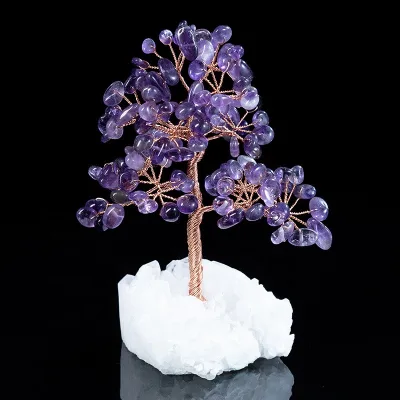
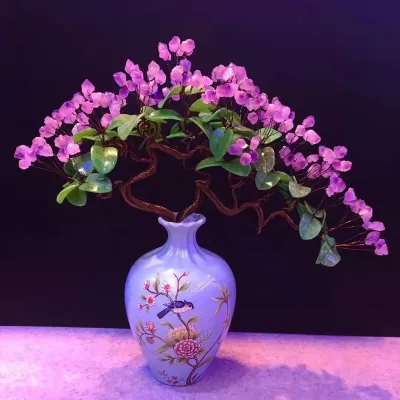
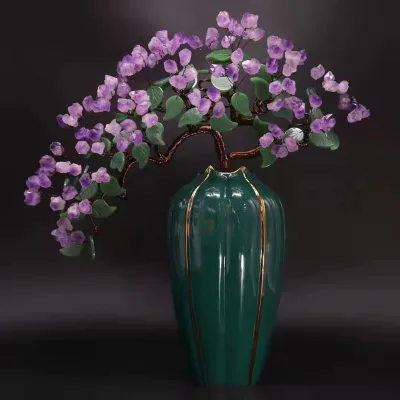
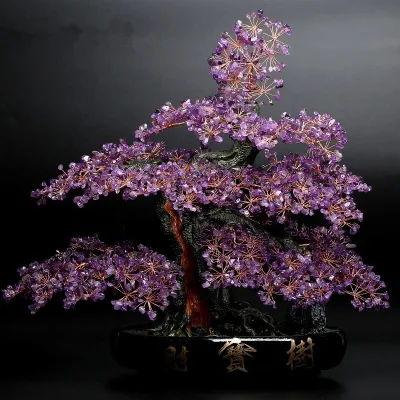
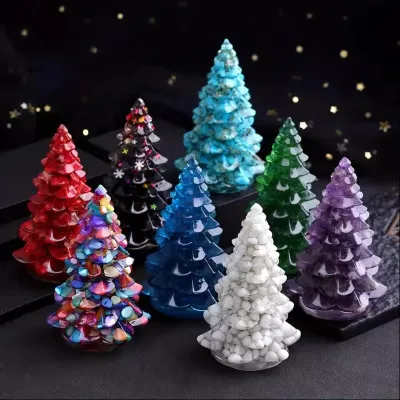

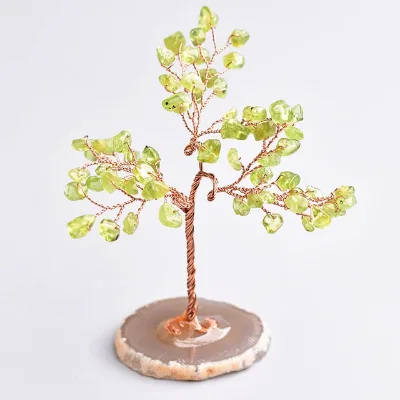
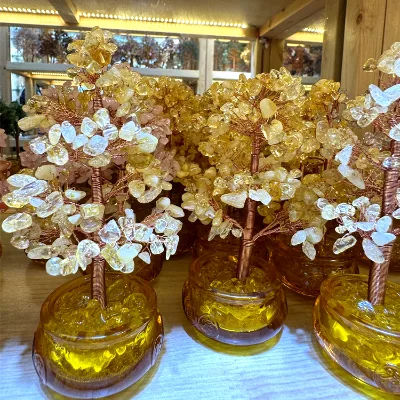
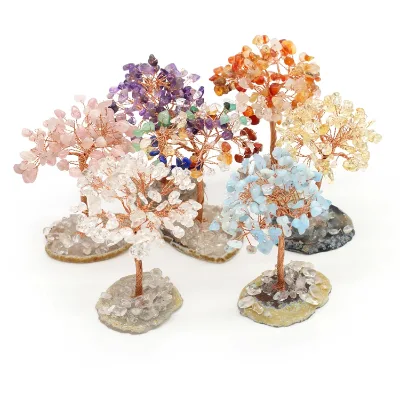
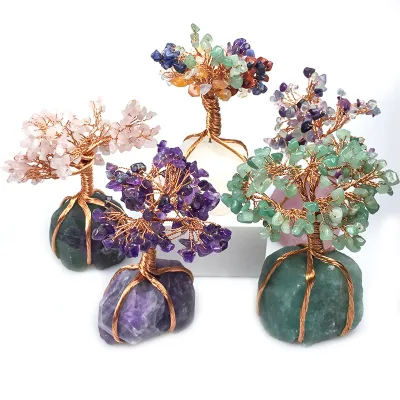
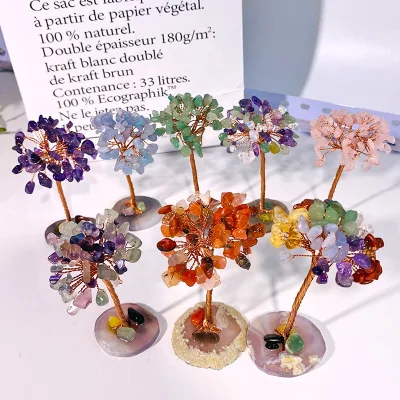
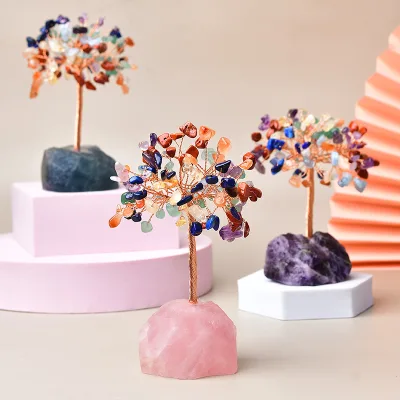
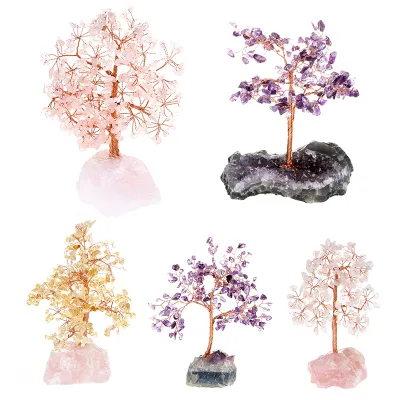
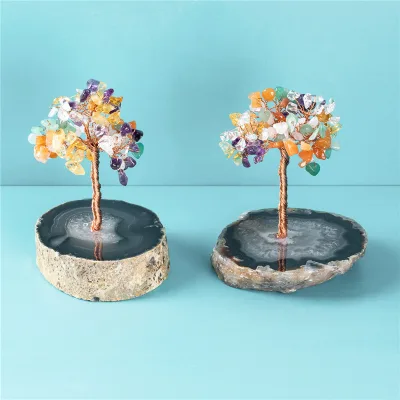
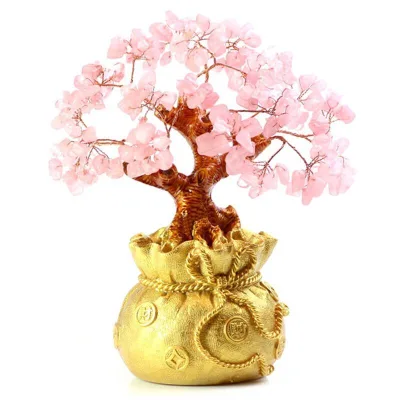

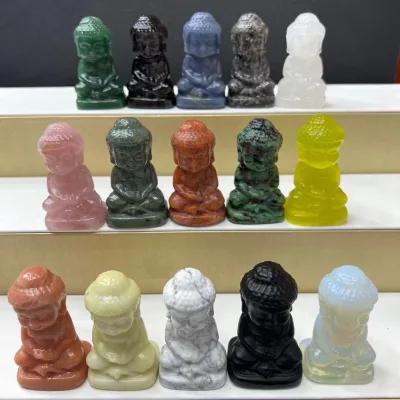
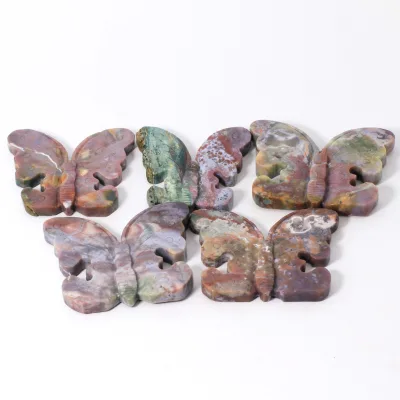
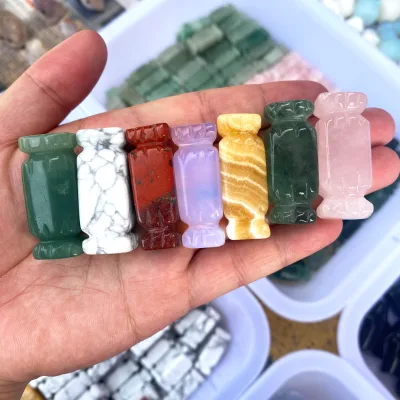


Comprehensive Sourcing Guide
Carved Jade Crystal Gemstone Tree Sourcing Guide
Sourcing carved jade crystal gemstone trees requires a nuanced understanding of material authenticity, artisanal craftsmanship, and the specific aesthetic expectations of the decorative and wellness markets. These items are not merely ornamental; they often serve as focal points in interior design, corporate gifting, and holistic wellness practices. Buyers must navigate a landscape where "jade" and "crystal" are used broadly, ranging from genuine natural stones to treated or synthetic alternatives. The procurement strategy must therefore prioritize verification of material composition and the integrity of the carving process to ensure that the final product aligns with brand promises and customer expectations.
The global supply chain for these items is heavily concentrated in specific manufacturing hubs, with China being a primary source for both raw material processing and finished artisanal goods. Suppliers in regions like Guangdong and Zhejiang offer a wide variety of styles, from traditional chakra trees to modern abstract forms. However, the diversity of offerings also introduces complexity in quality control. Buyers need to establish clear specifications regarding stone type, color consistency, and structural stability before engaging with suppliers, as the visual appeal of these trees is heavily dependent on the natural variations inherent in the gemstones used.
Product Scope and Observed Listing Signals
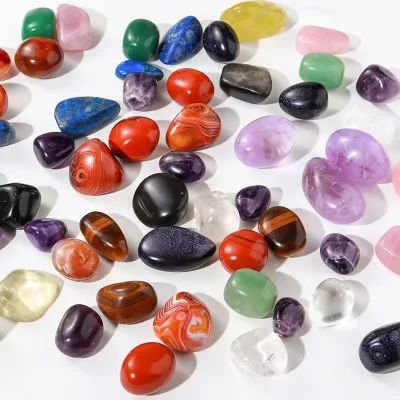
The product scope for carved jade crystal gemstone trees encompasses a wide range of applications, including home decoration, business gifts, souvenirs, and art collections. Listings often highlight features such as "natural beauty," "energetic properties," and "eco-friendly" attributes, which appeal to consumers interested in holistic living and sustainable sourcing. The materials cited typically include natural crystals such as clear quartz, amethyst, tiger eye, obsidian, and citrine, alongside jade and quartz combinations. It is crucial for buyers to recognize that while these items are marketed as natural, the specific variety of stone can vary significantly between suppliers, affecting both durability and market value.
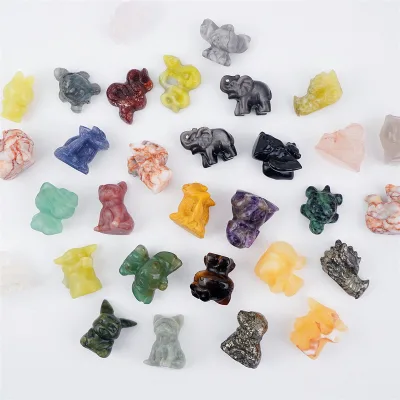
Observed listing signals indicate a high degree of customization availability, with suppliers offering tailored shapes, colors, and packaging options. Common shapes include trees, triangles, stars, hearts, and irregular forms, often polished or hand-carved to achieve a specific aesthetic. The transparency and clarity of the stones are key selling points, with colors ranging from transparent and white to vibrant hues like yellow, red, purple, and green. Buyers should note that while "handmade" and "polished" techniques are frequently advertised, the level of artisanal involvement can vary, and some items may involve laser engraving or mechanical finishing to meet volume demands.
Technical Specifications to Verify
Verifying technical specifications is paramount when sourcing these items, particularly regarding material composition and dimensional accuracy. Buyers must confirm whether the "jade" component is genuine nephrite or jadeite, or if it is a broader category including serpentine or other green stones. Similarly, the "crystal" elements should be identified by their specific mineralogical name, such as amethyst or citrine, rather than generic terms. The standard sizes observed range from small desk ornaments of 1-4 inches to larger display pieces, with specific models like ZSW-129 and SS-006-1 indicating distinct product lines. Buyers should request detailed material certificates or lab reports to verify the authenticity of the stones, especially for high-value transactions.
Structural integrity and finishing quality are also critical technical aspects. The trees are often assembled from multiple carved pieces, requiring secure attachment methods to prevent breakage during shipping or use. Specifications such as single package size (e.g., 10x15x25 cm) and gross weight (e.g., 1.500 kg) provide insights into the packaging density and potential shipping costs. Buyers should verify the technique used, whether it is hand-carved, laser-engraved, or polished, as this affects the tactile experience and visual depth of the piece. Additionally, the clarity and color consistency of the stones should be evaluated against physical samples, as natural variations can lead to discrepancies between the sample and bulk production.
Compliance and Safety Documentation
Compliance and safety documentation for carved jade crystal gemstone trees primarily focus on material safety and consumer protection. While gemstones are generally inert, buyers must ensure that any treatments applied to the stones, such as dyes or resins, comply with international safety standards, particularly if the items are marketed for wellness or therapeutic use. Suppliers should provide declarations of conformity that confirm the absence of harmful substances like lead or cadmium, which can sometimes be present in low-quality dyes or coatings. For items intended for children or specific cultural markets, additional certifications may be required to ensure they meet local regulatory frameworks.
Packaging compliance is another critical area, especially for international shipping. The use of materials like OPP bags, bubble wrap, and carton boxes must adhere to environmental regulations in the destination country, particularly regarding plastic waste. Buyers should verify that the packaging materials are recyclable or biodegradable if sustainability is a key brand value. Furthermore, labeling requirements must be strictly followed, including accurate country of origin markings, material descriptions, and care instructions. Mislabeling, such as misidentifying the stone type, can lead to legal liabilities and reputational damage, so thorough verification of all documentation is essential before finalizing orders.
Cost Drivers and Commercial Terms
Cost drivers for carved jade crystal gemstone trees include the raw material quality, the complexity of the carving, and the level of customization. High-quality natural stones with vibrant colors and high clarity command premium prices, while common varieties like clear quartz or agate are more cost-effective. The labor intensity of hand-carving versus machine-assisted production also significantly impacts the unit cost. Buyers should expect a wide price range, observed between $0.3 and $185 USD, depending on the size, material rarity, and artisanal effort involved. Understanding these variables allows buyers to budget accurately and negotiate effectively with suppliers.
Commercial terms such as MOQ (Minimum Order Quantity) and payment methods are also key factors in the procurement process. MOQs can range from 1 to 1000 pieces, with some suppliers offering lower thresholds for customized orders at a higher per-unit cost. Payment terms typically include TT, PayPal, Western Union, and cash, with varying deposit requirements. Buyers should clarify the shipping terms, whether by air or ocean, as this affects lead times and overall logistics costs. Additionally, the availability of customized packing and logo engraving can add to the final cost, so these options should be evaluated against the target market's willingness to pay for premium branding.
Supplier Qualification and Quality Control
Supplier qualification for carved jade crystal gemstone trees requires a rigorous assessment of their manufacturing capabilities and quality control processes. Buyers should verify the supplier's location, with Guangdong and Zhejiang being common hubs, and assess their experience in handling natural stones. Requesting references or case studies from previous clients can provide insights into the supplier's reliability and consistency. It is also important to evaluate their ability to handle customization requests, as many buyers seek unique designs or specific stone combinations. Suppliers with in-house carving and polishing facilities are often better positioned to maintain quality control throughout the production process.
Quality control measures should include pre-production sample approvals, in-line inspections, and final random inspections before shipment. Buyers should establish clear acceptance criteria for stone color, clarity, and structural integrity. Given the natural variations in gemstones, it is essential to define acceptable ranges for color and inclusions to avoid disputes. Suppliers should provide detailed inspection reports and photos of the production process to ensure transparency. Additionally, buyers should consider third-party inspection services for large orders to independently verify quality and compliance with specifications.
Long-Term Procurement Checks
Long-term procurement checks for carved jade crystal gemstone trees involve continuous monitoring of supplier performance and market trends. Buyers should regularly review supplier metrics such as on-time delivery rates, defect rates, and responsiveness to issues. Building a strong relationship with suppliers can lead to better pricing, priority production, and access to new designs. It is also important to stay informed about changes in raw material availability and pricing, as fluctuations in the gemstone market can impact costs. Diversifying the supplier base can mitigate risks associated with supply chain disruptions or quality inconsistencies.
Sustainability and ethical sourcing are increasingly important considerations for long-term procurement. Buyers should assess their suppliers' practices regarding environmental impact and labor conditions. Suppliers who demonstrate a commitment to sustainable practices, such as using eco-friendly packaging and ensuring fair labor conditions, are better aligned with modern consumer values. Regular audits and certifications can help verify these claims. By prioritizing ethical and sustainable sourcing, buyers can enhance their brand reputation and build loyalty among conscious consumers, ensuring long-term success in the competitive decorative and wellness markets.
FAQs
What materials are used for the carved jade crystal gemstone tree?
The product is crafted from natural crystal materials including jade and quartz. Specific gemstone varieties available include amethyst, citrine, rose quartz, agate, and fluorite. These natural stones are selected for their energetic properties and natural beauty.
Can I request a customized logo on the carved jade crystal gemstone tree?
Yes, a customized logo is available for this product. The customization options extend to the shape, allowing for triangle, star, round, or heart shapes. Buyers can also specify custom packing requirements to meet their branding needs.
What is the minimum order quantity for the carved jade crystal gemstone tree?
The minimum order quantity is 50 pieces for this specific item. However, general product listings show an MOQ range from 1 to 1000 units depending on the specific model and customization level. Buyers should verify the exact MOQ for their selected model.
How is the carved jade crystal gemstone tree packaged for shipping?
Packaging options include customized packing or standard OPP bags with master cases. The process involves gift wrapping, bubble wrap for protection, and final carton packaging. This ensures the product arrives safely for use as souvenirs or home decorations.
Which techniques are used to create the carved jade crystal gemstone tree?
The trees are created using handmade, polished, and carved techniques. Some variations feature laser engraving for detailed designs. The finished products are tumbled to achieve a smooth finish while maintaining the natural beauty of the crystal stones.
What sizes are available for the carved jade crystal gemstone tree?
Sizes range from small desk ornaments measuring 1 to 4 inches to larger decorative pieces. Specific models offer dimensions such as 10cm height or stone sizes between 3mm and 30mm. Buyers can select from various sizes to suit different display needs.
Where is the carved jade crystal gemstone tree manufactured?
The products originate from Guangdong and Zhejiang provinces in China. This location is known for producing natural crystal items with high-quality craftsmanship. The goods are shipped via air or ocean freight from these manufacturing hubs.